
Menopause
What is Menopause?
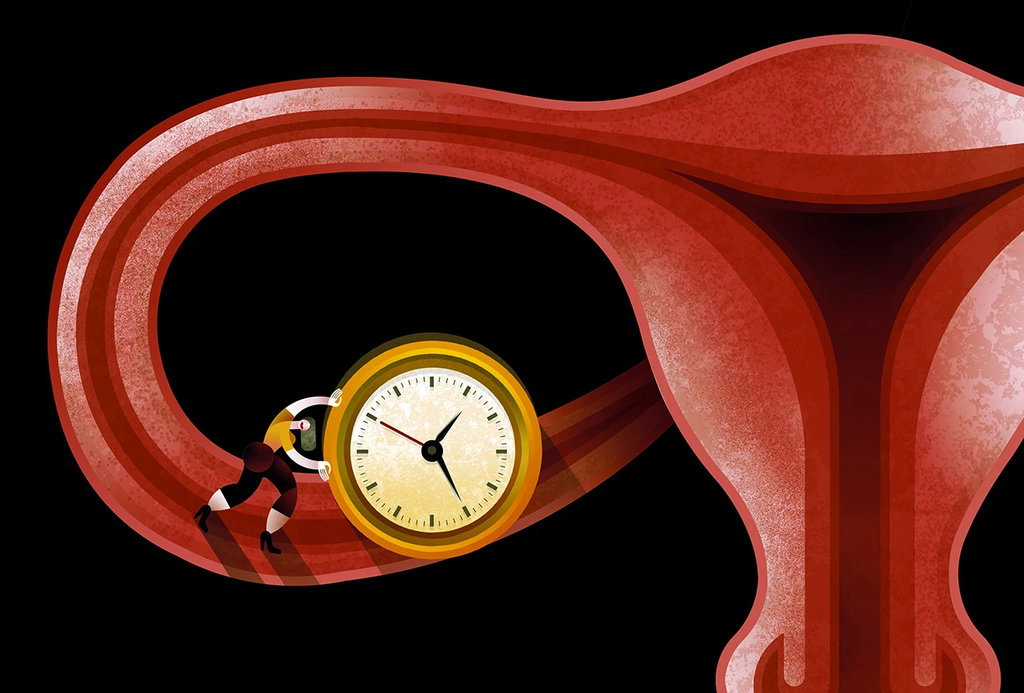
Menopause represents a natural biological process that signifies the conclusion of a woman's reproductive years. It is defined as the permanent cessation of menstruation, which is typically confirmed after a span of 12 consecutive months without a menstrual period. This transition transpires as a result of the decline in the production of ovarian hormones, predominantly estrogen and progesterone. Although the average age at which Menopause occurs is approximately 51 years, it may arise either earlier or later.
Perimenopause refers to the transition period before Menopause when hormonal fluctuations are more unpredictable and irregular bleeding may start. Throughout these years, women commonly undergo an incredibly diverse range of symptoms. Postmenopause is the term referring to the stage after Menopause.
In Ayurveda, menopause is considered a natural transition and not a health concern. Ayurveda says there are three major energies or doshas within your body: Vata, Pitta and Kapha. When these doshas get out of balance, menopause symptoms can be seen. For example, if your Vata becomes too strong, you will feel anxious, have dry skin or sleep poorly. If your Pitta is aggravated, you may experience hot flashes, irritability and night sweats.
These doshas are brought back into balance in Ayurvedic treatment. This is done with natural herbs, detox therapies, diet and lifestyle changes. The goal isn't to treat the symptoms but to strengthen your whole body and mind through this transition.
Stages of Menopause
Menopause doesn't happen overnight. Your body goes through it in stages. When you clearly understand these stages, this will help you get ready for and manage your symptoms. The three major stages of menopause are:
- Perimenopause (First stage): Perimenopause starts in your 40s or late 30s. During this time, your hormone levels change. You might notice your periods become heavier, lighter or sometimes even skip months. You might also notice early signs like hot flashes, mood swings and difficulty sleeping. Despite these changes, you can still become pregnant at this stage.
- Menopause (Second stage): You hit menopause if you have not had a period for twelve months consecutively. This is when your ovaries stop releasing eggs and producing most of their hormones. In this stage, you will see symptoms like night sweats, vaginal dryness, weight gain, and forgetfulness. It can be a tough phase physically and psychologically. But what you should remember is that this is a natural part of your life.
- Postmenopause (Third stage): After you have gone through 12 months without a period, you enter Postmenopause. Most of the menopause symptoms decrease slowly during this stage. However your body contains much less estrogen, and that raises your risk of conditions like osteoporosis and heart problems. It is important that you stay healthy during this time by eating right, exercising regularly and getting regular checkups with your Ayurvedic doctor.
Common Causes of Menopause
As we have discussed, menopause is basically the conclusion of your menstrual cycle and this process is a natural part of your life. It generally comes between the age of 45 and 55 for most women, but it may also come later or earlier for some women. You may go through menopause for several reasons:
- Natural hormone changes: As you grow older, your ovaries produce less of the female hormones, i..e, estrogen and progesterone. These hormones regulate your periods and fertility. With lower levels, your periods may become irregular before stopping completely.
- Surgical procedure to get rid of ovaries (oophorectomy): If you have had surgery to remove both ovaries, you will experience sudden menopause. This is because your ovaries supply nearly all progesterone and estrogen. Without them, you might experience symptoms like hot flashes and mood swings more strongly.
- Surgical procedure to get rid of the uterus (hysterectomy): In case your uterus is removed but your ovaries are still intact, you won't have periods anymore, but you might not enter immediate menopause. Your ovaries can still make hormones for some time.
- Chemotherapy and radiation: Cancer treatments such as radiation or chemotherapy to the pelvic area can harm your ovaries and cause premature menopause. It is possible that your periods may return after the treatment, but menopause happens permanently in many cases.
- Primary ovarian insufficiency: Rarely, women under 40 years of age experience early menopause simply because their ovaries don’t work properly. This is called primary ovarian insufficiency and it can happen due to autoimmune or genetic diseases.
Symptoms
Hot flashes
Sudden onset of warmth, often with sweating and flushing.
Night sweats
Hot flashes that disturb sleep, making it impossible to sleep normally.
Vaginal dryness
Reduced moisture in the vagina, causing intercourse to be painful.
Sleep problems
Unable to sleep or waking up.
Mood changes
Irritability, anxiety, depression, and mood swings.
Weight gain
Changes in metabolism lead to weight gain.
Thinning hair and dry skin
Reduced estrogen would affect the health of one's hair and skin.
Decreased libido
Reduction in sexual desire.
Change in cognitive function
Forgetfulness or inability to focus.
Nature Care Ayurveda Treatment Philosophy - A Holistic Approach to Menopause
Nature Care Ayurveda Ayurveda offers completely natural Ayurvedic treatment of Menopause using evidence-based Ayurvedic methods. Our treatment plans focus on targeting the root causes of Menopause, and instead of just managing the symptoms, they focus on holistic healing, balance and stability.
Core Principles of the Nature Care Ayurveda Treatment Philosophy
- HACCP Certified Ayurvedic Medicines: These are specially prepared herbal formulas that will bring your body back into balance and support a more stable mind.
- Yoga, Meditation & Mindfulness: Gentle exercises and breathing methods to relax your body, clear your mind, and improve your complete well being.
- Ayurvedic Therapies: Cleansing treatments like Panchakarma and soothing massages to rid your body of toxins and bring your mind and body back in balance.
- Healthy Diet & Lifestyle Guidance: Expert advice on eating right and simple daily changes to keep you healthy and feeling your best naturally.
Ayurvedic Medicines for Menopause
Ayurveda provides natural and gentle ways to manage your menopause symptoms. As per Ayurveda, there are a number of herbs that can help to balance your hormones, give you more energy and improve your complete health. Some important Ayurvedic herbs to help you feel better in this phase of your life are:
Ashwagandha
Ashwagandha is believed to reduce anxiety, improve sleep and fill you with energy. It also supports your muscles and nerves, helping with weakness and tiredness during menopause.
Shatavari
Shatavari balances female hormones. It relieves signs like hot flashes, night sweats and vaginal dryness. It also supports your reproductive system and reduces bleeding and cramps.
Guduchi (Giloy)
Guduchi is known to improve immunity, liver health and detoxify your body. With this, it prevents bleeding and also keeps you hydrated during heavy periods.
Brahmi
Brahmi is what we call a brain tonic in Ayurveda. It helps to increase your memory, focus and mental clarity. It also calms your mind and promotes better circulation, reducing stress and brain fog.
Licorice
Licorice contains plant-based estrogens that mimic natural hormones. It helps to balance your hormones, reduces hot flashes and moderates mood swings. It also supports adrenal health which is disturbed during hormonal changes.
Turmeric
Turmeric has anti-inflammatory properties. It eases joint pain, stiffness and swelling caused by menopause. It also keeps your bones and joints healthy.
Sariva (Indian Sarsaparilla)
Sariva cools your body. It reduces hot flashes and night sweats. It also purifies your blood and improves the appearance of your skin.
Rhodiola Rosea
Rhodiola fights fatigue, increases stamina and restores your sleep cycle. It is helpful for women who feel too tired during menopause.
Ginger
Ginger helps to build bone mass. Its anti-inflammatory and antioxidant qualities keep your joints healthy and avoid bone problems.
Sesame Seeds
Sesame seeds contain calcium and help to improve your bone density, avoiding osteoporosis following menopause.
Jatamansi
Jatamansi strengthens your bones and helps to retain bone density. It is also useful for mental relaxation and stress reduction.
Niranjan Phal
Niranjan Phal is used to control heavy bleeding during periods. It relieves excessive blood loss and promotes faster wound healing.
Sage
Sage has long been used in Ayurveda for managing signs like hot flashes and night sweats. It also balances your mood and improves emotional health during menopause.
Evening Primrose
Evening primrose oil is known to relieve hot flashes and night sweats during menopause. It also improves your skin health and hormonal balance.
Moringa
Moringa leaves are rich in iron and other nutrients. They increase hemoglobin in your blood and thereby help in preventing anemia (which can happen during menopause).
Fenugreek Seeds
Fenugreek seeds support the production of red blood cells and prevent anemia naturally. They also keep your body strong and energetic.
Pumpkin Seeds
The seeds of pumpkin are rich in iron and other minerals. They help to raise your hemoglobin levels and improve complete blood health.
Shankhpushpi
Shankhpushpi calms your mind, reduces stress, and improves sleep quality. It is very helpful for women who experience insomnia during menopause.
Vacha
Vacha is another calming Ayurvedic herb that relaxes your nervous system and promotes better sleep and relaxation.
Sarpagandha
Sarpagandha is a natural sedative that relaxes your brain and induces peaceful sleep. This is good if you are struggling with insomnia and restlessness during menopause.
Ayurvedic Treatment for Menopause
Menopause is considered a natural shift in Ayurveda, associated with the Vata dosha (air and space element) becoming more predominant. Ayurvedic treatment seeks to balance the doshas and promote general well-being in this stage.
Nature Care Ayurveda’s evidence-based ayurvedic approach towards Menopause may include,
- Herbal medicines: Shatavari, Ashwagandha, and licorice are used to regulate hormones, reduce hot flashes, and enhance mood.
- Panchakarma treatments: Detoxification treatments help remove toxins and rebalance the doshas.
- Additionally, lifestyle modifications and dietary modification, alongside stress management techniques, and good hygiene are integral parts of the ayurvedic course of treatment and effective management of Menopause.
Diet & Exercise
Diet and exercise are the most important tools in managing Menopause symptoms naturally:
- Diet: A well-balanced diet that contains foods with good content of phytoestrogens, such as soy, flaxseeds, and legumes. Include a good quantity of whole grains, fruits, vegetables, and healthy fats. Reduce the consumption of processed foods, caffeine, alcohol, and spicy food, which may trigger hot flashes.
- Exercise: The moderate exercises, including aerobic activities, strength training, and yoga, can enhance mood, sleep, bone health, and overall well-being.
Frequently Asked Questions
Is Menopause a disease?
No, Menopause is a normal biological transition, not a disease.
What is the age of Menopause?
Mean age is around 51 years but can vary.
How long will the symptoms of Menopause last?
The time duration varies; however, the symptoms persist for a number of years.
Is Hormone Replacement Therapy (HRT) safe?
HRT is safe and helpful in symptom relief but is not without potential risks. Talk to your doctor about the risks and benefits.
Can Ayurveda alone replace traditional treatment for Menopause?
No, though Ayurveda can be an excellent adjunct therapy; the patient should seek consultation with both a medical doctor and an Ayurvedic practitioner.
What are beneficial exercises during Menopause?
Yoga, walking, swimming, and strength training all are good exercises.
Can changes in diet help hot flashes?
Yes, avoiding triggers, such as spicy foods, caffeine, and alcohol; and eating a balanced diet, which is high in phytoestrogens, can be helpful.
Does stress worsen Menopause symptoms?
Yes, it does. Stress makes things worse. Techniques to help with stress management are beneficial.
Are there any long-term health risks associated with Menopause?
Osteoporosis and heart disease risk is higher in women after Menopause.
Can herbal remedies interact with other medications?
Yes, certain herbs can interact with prescription medications. Be sure to advise your doctor of any herbal supplements you are taking.