JoonWeb Quick Checkout Brand Logo
Mobile
Address
Pay
Apply Coupon
sinusitis
29 Apr
28

Ayurvedic treatment for Sinusitis

Ayurvedic Treatment for Sinusitis: A Holistic Approach to Respiratory Health

Sinusitis, known as Pinasa or Dustapratishyaya in Ayurvedic literature, is much more than a simple nasal blockage. It is an inflammatory condition affecting the sinus lining, often triggered by an imbalance in the Kapha and Vata doshas. According to Ayurveda, the accumulation of Ama (digestive toxins) and its movement into the respiratory system blocks the channels, leading to symptoms like headaches, congestion, and facial pain. Rather than merely masking the symptoms, Ayurvedic treatment for sinusitis focuses on detoxifying the body and strengthening the immune system to prevent recurrence.

Core Ayurvedic Therapies for Sinus Relief

Traditional treatments aim to liquefy and expel the stagnant mucus while soothing the inflamed membranes.

Potent Herbs Used in Ayurvedic Treatment

Ayurveda utilizes the power of nature to heal the respiratory system from within.

Dietary and Lifestyle Recommendations

Maintaining a proper diet is crucial for the success of any Ayurvedic treatment for sinusitis.

  1. Warming Foods: Focus on eating warm, light, and easily digestible meals. Use spices like cumin, black pepper, and cinnamon.

  2. Avoid Kapha-Increasing Foods: Stay away from cold beverages, ice creams, curd, and heavy fried foods, especially during the evening.

  3. Hydration: Drink warm water throughout the day to keep the mucus thin and easy to expel.

  4. Yoga and Pranayama: Practices like Bhastrika and Anulom Vilom improve airflow and strengthen the respiratory muscles.

Conclusion

Choosing Ayurvedic treatment for sinusitis offers a comprehensive way to manage chronic respiratory issues without the side effects of long-term chemical medication. By integrating powerful herbal formulas, cleansing therapies like Nasya, and mindful dietary habits, you can restore balance to your doshas and breathe freely once again. Emphasizing internal healing ensures that the body remains resilient against seasonal changes and environmental triggers.?

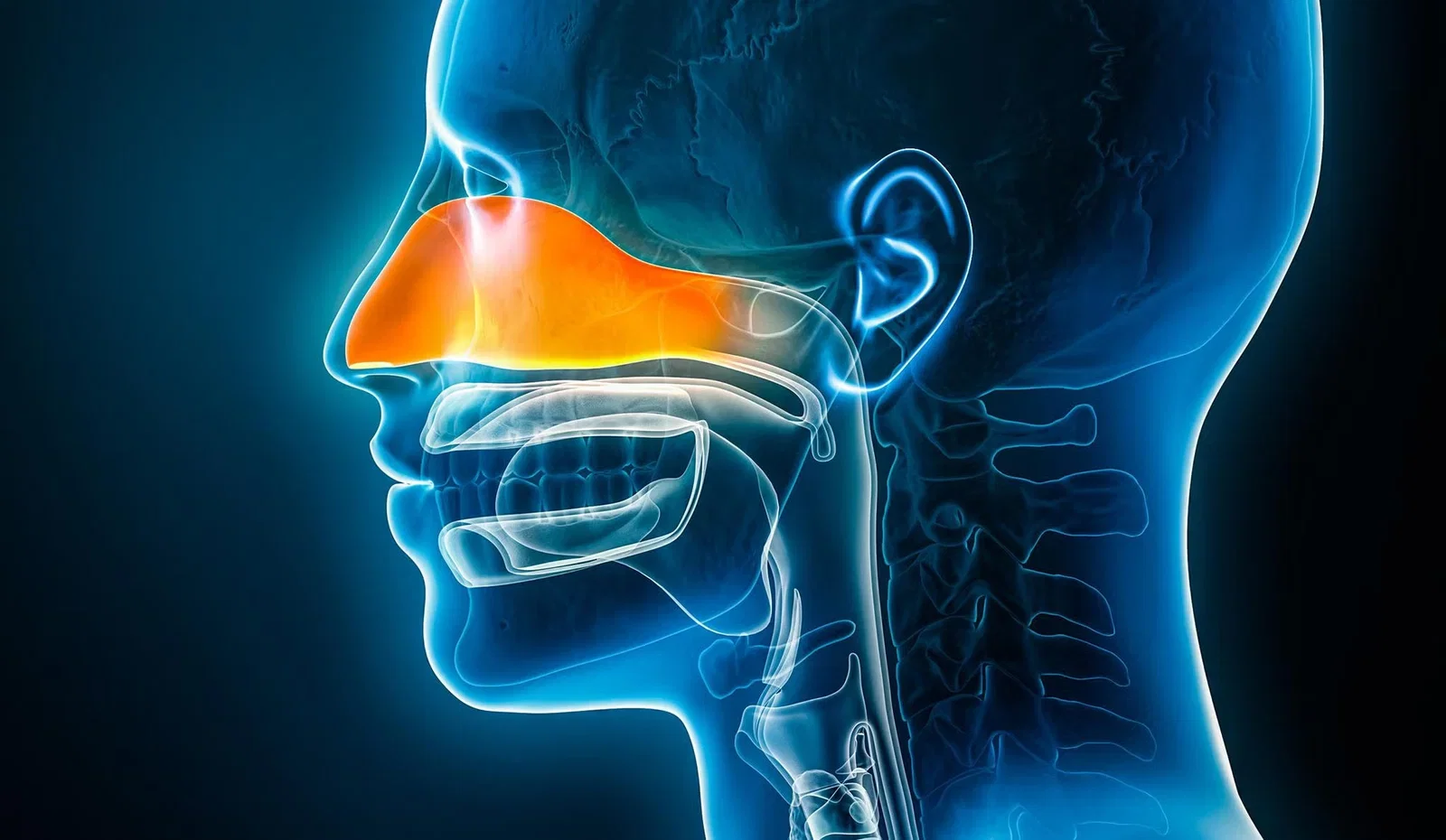
Sinusitis, commonly also referred to as a sinus infection, is the inflammation or swelling of the tissues lining the sinuses. As such, the sinuses are air-filled cavities located within the bones that shape the nose, the forehead, the cheeks, and around the eyes.

Usually, sinuses are covered with a thin layer of mucus that captures dust, germs, or pollutants. The mucus further drains into the nasal passages. This blockage in drainage allows for an accumulation of mucus and develops a favourable environment for an infection when the lining of the sinuses becomes inflamed.

Sinusitis is further classified as acute (less than four weeks), subacute (four to twelve weeks), and chronic (more than twelve weeks). Most commonly, it is caused by a viral, bacterial, or fungal infection . Contributing factors include allergic rhinitis , nasal polyps (noncancerous growths in the nasal passages), deviated septum (displacement of the wall between the nostrils), and exposure to irritants such as smoke and pollutants.

Types of Sinusitis

Let us now understand what are the types of sinusitis and how you can identify which type you are afflicted with:

1. Acute Sinusitis

This type strikes suddenly, usually with a cold or the flu. You may feel pressure around your eyes, a blocked nose, and thick yellow or green mucus.

If you have had these symptoms for one to two weeks now, you might have acute sinusitis. This type usually goes away on its own or with basic home care.

You might feel:

2. Subacute Sinusitis

In case your sinus symptoms persist longer than two weeks but under three months, this signifies subacute Sinusitis.

It happens if a bacterial infection or allergies stay around and make your nose feel heavy for a long time.

You might notice:

3. Chronic Sinusitis

In case your symptoms persist for more than three months, this is a case of chronic sinusitis. You may not feel sharp pain but you will feel stuffy and exhausted most of the time.

This happens when your nose lining stays swollen or if you have growths (like polyps) that block your sinuses.

You might feel:

4. Infected Sinusitis

This starts as a common cold but becomes a bacterial infection if it isn't properly treated.

If your symptoms worsen after 5-7 days instead of getting better, your sinuses might be infected.

You might have:

5. Non-Infectious Sinusitis

Sometimes sinus trouble does not come from germs but from dust, smoke or strong smells.

If your nose feels blocked or irritated every time you encounter these triggers, it might be non-infectious sinusitis.

You might notice:

Common Causes of Sinusitis

As we have discussed earlier, sinusitis occurs when the tiny air-filled spaces behind your nose, eyes and forehead (known as sinuses) become blocked and filled with fluid. This is where bacteria such as viruses, bacteria, or fungi could develop and trigger an infection. But don’t think that infections are the only cause. In reality, sinusitis can also be caused by allergies, pollution or even weak immunity.

The most common causes of sinusitis are:

  1. Viral Infections: The most common reason for sinusitis is a viral infection similar to the common cold. It can cause swelling in your nose and constrict your sinuses, making it hard for mucus to drain.

  1. Bacterial Infections: After a viral cold, sometimes bacteria grow in the trapped mucus. This can cause a serious sinus infection. Bacterial sinusitis lasts longer and may feel more intense.

  1. Fungal Infections: Sinus Infections from mold or fungal spores in the air can be caused if you have a weak immune system or if you are allergic to fungi. This is what we call allergic fungal sinusitis.

  1. Allergies: Seasonal allergies (like to pollen or dust) may cause swelling inside your nose. This blocks your sinuses and causes pressure, headaches and breathing problems.

  1. Pollutants & Irritants: Chemicals, cigarette smoke and air pollution can irritate your nose lining and block your sinuses. These irritants also dry out and inflame your nasal passages.


6. Structural Problems: Nasal polyps or a deviated nasal septum (crooked bone in the nose) may block proper drainage and cause repeated sinus infections.

Sinusitis Symptoms

Headache

Headaches are common and often described as a frontal headache or a feeling of pressure in the head.

Postnasal drip

A condition wherein the mucus drops down the posterior part of the throat and can lead to sore throat, cough, or hoarseness.

Cough

A persistent cough, often worse at night can be a symptom of Sinusitis.

Pain in the head or face

It's common to experience a pain or pressure in the face, typically a dull ache, pressure, or throbbing headache in the forehead, cheeks, around the eyes, or even the upper teeth. The pain has a tendency to worsen when bending over.

Nasal congestion and thick, discolored mucus

Nasal passages get blocked, which makes it hard to breathe through the nose. Mucus may be thick or colored yellowish, greenish, or whitish.

Postnasal drip

A condition wherein the mucus drops down the posterior part of the throat and can lead to sore throat, cough, or hoarseness.

Bad breath (halitosis)

The collection of mucus and infection can cause bad breath.

Reduced sense of smell (hyposmia)

Inflammation can affect the olfactory nerves; hence, there is a diminution in the sense of smell.

Nature Care Ayurveda Treatment Philosophy - A Holistic Approach to Sinusitis

Nature Care Ayurveda Ayurveda offers holistic Ayurvedic treatment of Sinusitis using evidence-based Ayurvedic methods. Our treatment plans are made specifically to target the root causes of Sinusitis, and instead of just treating symptoms, they focus on complete healing, balance and stability.

Core Principles of the Nature Care Ayurveda Treatment Philosophy

Ayurvedic Medicines for Sinusitis

Nature Care Ayurveda's evidence-based Ayurvedic treatments can help you find a holistic cure for your Sinusitis as it directly focuses on the root cause of the disease and rebalances the body's three energies, Vata, Pitta, and Kapha, along with mind and spirit.

Ayurvedic Treatment for Sinusitis

Nature Care Ayurveda's Evidence-Based Ayurveda treatments can help with holistic cure of Sinusitis by directly focusing on the root cause of the disease and rebalancing the body's three energies, Vata, Pitta, and Kapha, along with mind and spirit. 

According to Ayurveda, an imbalance mainly in the Kapha dosha is responsible for most Sinusitis, and Pitta does this mostly by intensifying the former. The imbalance causes can be from a series of causes such as poor diet intake, living in cold as well as damp surroundings and also poor immunity.

Nature Care Ayurveda's advanced treatments include HACCP-certified Ayurvedic medicines for Sinusitis, along with time-tested Ayurvedic therapies, yoga, meditation, and personalised lifestyle and dietary guidance for optimal results. The most commonly used Ayurvedic remedies effective for managing Sinusitis are as follows:

Jala Neti is an ancient technique of nasal cleansing where warm saline water is used to clear the nasal passages of mucus, allergens, and irritants in a gentle manner. It improves airflow and reduces congestion.

Other Ayurvedic remedies for sinusitis are:

Additionally, a qualified Ayurveda doctor at Nature Care Ayurveda will conduct a thorough assessment of your individual constitution (Prakriti) and the specific imbalances that are causing your Sinusitis. Based on this assessment, they will recommend a personalised treatment program that may include specific herbal preparations, dietary modifications, lifestyle suggestions, and other therapies.

Recommended Diet & Exercises for Sinusitis Patients

Ayurveda emphasises that diet and lifestyle play a very significant role in maintaining health and preventing disease. To manage Sinusitis properly, the following dietary and lifestyle recommendations should be considered:

Additionally, keep a clean environment and minimise exposure to allergens, dust, smoke, and other irritants that may provoke Sinusitis. Use air purifiers and humidifiers when necessary.

FAQs About Sinusitis

What are the main causes of sinusitis?

Some of the possible causes of Sinusitis may include Viral, bacterial, and/or fungal infections; allergies, nasal polyps, septal deviation, or irritant exposure.

What are the common symptoms of Sinusitis?

The common symptoms include facial pain and pressure, nasal congestion, headache, postnasal drip, cough, fever, halitosis, and a decreased sense of smell.

Is Sinusitis contagious?

Viral and some bacterial forms of Sinusitis can be contagious.

Home remedies that include the saline nasal sprays, using of warm compresses, and inhaling steam are all forms of home remedies.

When to go to the Ayurvedic clinic for Sinusitis?

A person should seek medical attention at the Ayurvedic clinic if their Sinustis symptoms are severe alongside persistent, or high fever, vision disturbances, or swelling around the eyes.

Can Sinusitis be prevented?

Yes, sinusitis can be prevented. Good hygiene, management of allergies, and avoidance of irritants such as smoke can help prevent Sinusitis.

How long does it take to recover from Sinusitis?

The duration of recovery from Sinusitis varies based on the underlying cause and severity of the condition. Acute Sinusitis generally resolves within a few weeks, whereas chronic Sinusitis may persist for an extended period.

Are there complications associated with Sinusitis?

Complications may include meningitis, orbital cellulitis-an eye infection-and brain abscess.

How does Ayurveda treat Sinusitis compared to modern medicine ?

Ayurveda presents a fundamentally different approach to Sinusitis when considered against modern medicine. However, conventional treatments often place their focus on symptom-based relief through decongestants, pain relievers, and antibiotics, Ayurveda seeks to work more profoundly to reverse the inherent imbalances that may be a part of the condition.

What Ayurvedic herbs are recommended for treating Sinusitis?

Ayurveda prescribes several herbs to treat Sinusitis, but all of them have specific characteristics, which target the patient in different ways:

What does Ayurveda consider the cause of Sinusitis?

Ayurveda attributes the cause of Sinusitis as an imbalance of Kapha dosha that is mainly aggravated by Pitta. This can occur due to several reasons like

Does Ayurveda offer practices that may help prevent Sinusitis?
Yes, Ayurveda emphasises preventive measures to maintain balance and prevent the recurrence of Sinusitis. These include:

Book Consultation Now


HomeCategories
Cart 0
Account